InfringementExpertWitness

Scott Steinberg · Consultant, Analyst and Business Strategist

Infringement Expert Witness: Patents, Copyrights, Trademarks, AI & More

Whichever right is asserted, infringement cases generally run on similar underlying questions: did they have access, what does the development record show, is the similarity distinctive or is it what everyone in the field does, how far did it go, and what did they know. A consultant to 3000+ brands, Scott Steinberg works these and other questions across patent, copyright, trademark and trade dress claims.

Expert reports, declarations, deposition and trial testimony on artificial intelligence (AI), access and opportunity, development chronology, industry convention versus distinctive expression, copying indicators, detection practice, scope of infringing activity, notice and willfulness, apportionment inputs and more.

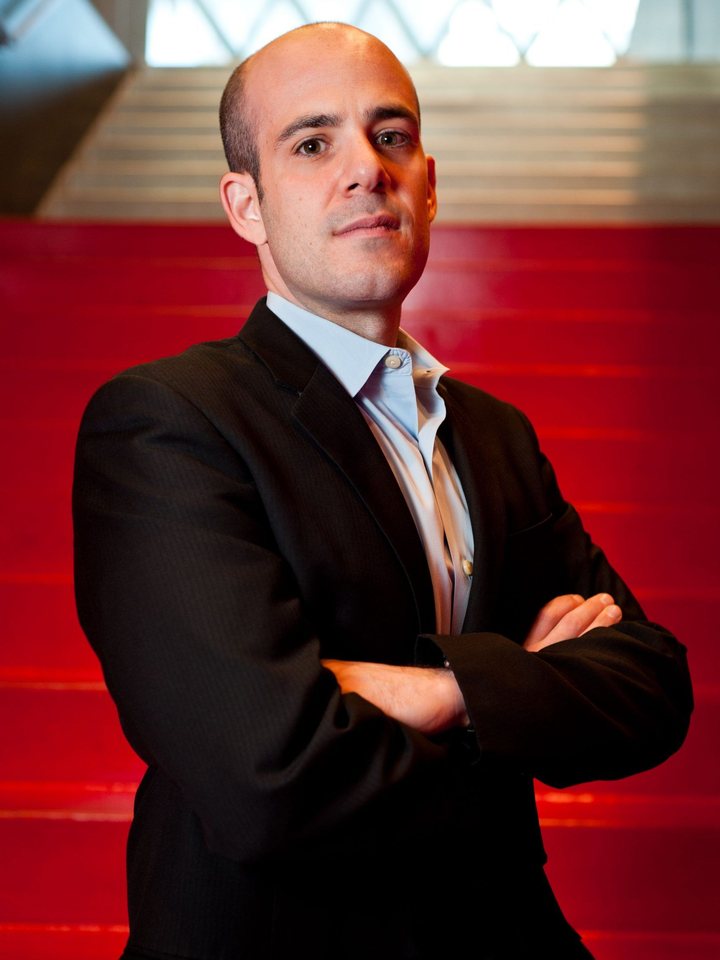
Scott Steinberg, infringement expert witness and business strategist
Scott Steinberg — infringement expert witness, analyst and strategist
3,000+
Businesses, startups, governments and Fortune 500 companies advised
28 years
Management, intellectual property (IP) and strategic consulting experience
30+
Books published on technology, marketing, business and innovation
5,000+
Published articles as seen in USA Today, CNN, ABC, NBC, TODAY Show

Infringement expert witness services

Our testimony consultants address infringement whichever rights are asserted, from copyrights to trademarks, patents, IP and more.

Access and opportunity evidence

Before similarity means anything, there generally has to be a plausible route by which the accused party encountered the work, product or mark.

Testimony assembles things like the commercial record on that: market availability, trade show exposure, distribution reach, press coverage, shared suppliers and personnel movement between the parties.

Development chronology and independent creation

An independent creation defense typically stands or falls on the development record, and the absence of one is frequently more revealing than its contents.

Reports reconstruct items such as what was developed when from design files, version histories, supplier orders, internal review documents and the gaps between them.

Industry convention versus distinctive expression

Every field accumulates shared vocabulary, and a comparison that counts category conventions as similarities produces a number that could mean nothing.

Infringement expert witness testimony establishes what practitioners in that market treated as standard at the relevant time, so the comparison isolates what was distinctive to the claimant.

Copying indicators and provenance

Copying frequently carries fingerprints: replicated errors, arbitrary choices reproduced without reason, dimensional coincidences and idiosyncrasies with no functional justification.

Testimony identifies those indicators where present and, equally, addresses where an asserted indicator is better explained by convention or constraint.

Detection and monitoring practice

When and how a rights holder discovered the conduct bears on notice, delay arguments and the credibility of the enforcement narrative.

Research looks at things such as monitoring practice in the category and what a rights holder of that type would ordinarily have detected and when.

Scope and extent of infringing activity

Extent usually drives value: how many units, which channels and territories, over what period, and whether the conduct was continuous or intermittent.

Testimony assembles that record from sales and distribution evidence, listing and catalog history, marketing material and archived commercial records.

Notice, knowledge and willfulness

Enhanced remedies frequently turn on what the accused party knew and when, which is answerable from correspondence, internal documents and conduct after notice.

Work addresses the commercial record of knowledge, including whether design or clearance practice at the company would ordinarily have surfaced the right at issue.

Apportionment and damages inputs

Where the accused product contains far more than the infringed element, the commercial question is how much of demand that element actually accounted for.

Input supplies feature-level demand evidence, comparable licensing and market context that a damages expert builds the calculation on.

How engagements are structured

Development records, version histories and market chronology take longest to assemble and decide most of these matters, so early scoping is where the value is. Any party may instruct.

Expert reports and declarations

Written opinions on things like access, chronology, comparison against industry convention, scope and knowledge evidence.

Deposition and trial testimony

Infringement expert witness testimony separating genuine copying from the shared vocabulary every field develops over time.

Rebuttal and methodology review

Responsive analysis of similarity assertions, access inferences, scope estimates and other assorted variables.

Consulting and advisory work

Non-testifying chronology reconstruction, development record review and discovery scoping.

Biography

Scott Steinberg is a business strategist, strategic consulting expert and IP portfolio advisor with over 25 years of experience providing management and strategic consulting services to more than 3,000 businesses and brands ranging from startups to government agencies and Fortune 500 firms.

He has testified in sample areas including intellectual property — copyrights, trademarks and patents — patent infringement, marketing, branding, video games, mobile applications, consumer product development, and the growth and monetization of online distribution platforms.

He is the author of over 30 books and has published more than five thousand articles addressing areas including but not limited to marketing, technology, leadership, innovation, advertising, digital transformation, data privacy and social networks. He appears regularly on ABC, CBS, CNN and NBC, and has led seminars and training programs for organizations including Wells Fargo, the PGA Tour, Century 21, Ford, Dell and Procter & Gamble.

His consulting work has been broadly recognized. He has served as a thought leader for the American Bar Association and Corporate Counsel magazine, and has received honors from the International Association for Scholastic Excellence, Fortune, and the 21st Century Icon Awards, among others.
Common questions from counsel

What does an infringement expert witness address?

Typically the factual questions common to patent, trademark and copyright infringement claims regardless of which right is asserted: whether access existed, what the development record shows, whether similarities are distinctive or category convention, how far the conduct extended, and what the accused party knew and when.

How do matters sprawl across patent, copyright and trademark?

Because serious matters rarely stay in one lane, and the same accused product frequently draws several claims at once. The commercial account underneath them has to be consistent, and inconsistency between theories is a standard line of attack.

In what ways do concerns involve a right-specific expert?

Claim construction, likelihood of confusion analysis and copyright licensing scope may be looked at, as might the shared evidentiary layer and the cross-claim consistency.

How is convention separated from copying?

Often via establishing what practitioners in that market treated as standard at the relevant time, using product documentation, trade press and comparable offerings from the period. A similarity that everyone in the category shares is typically evidence of nothing, and comparisons that skip this step routinely overstate.

What does the absence of a development record establish?

It constrains what either side can prove, and testimony should say so plainly rather than treating a gap as proof. Where a party claims independent creation but cannot produce the ordinary artifacts of a development process, that is a fact worth noting without stretching it into a conclusion.

Discuss a matter

Initial conversations about scope, timing and conflicts are without charge. Helpful detail includes the rights asserted, the accused product or conduct and the relevant dates, plus any expert disclosure deadline already set.

Telephone
Availability
Engagements accepted nationwide and internationally

Before you send case detail

A conflicts check is run before any substantive discussion. An initial note listing the party names and a one-line description of the dispute is enough to start; please hold privileged or confidential material until the check clears.